In-Transit Temperature Recorder Calibration: A UK Guide
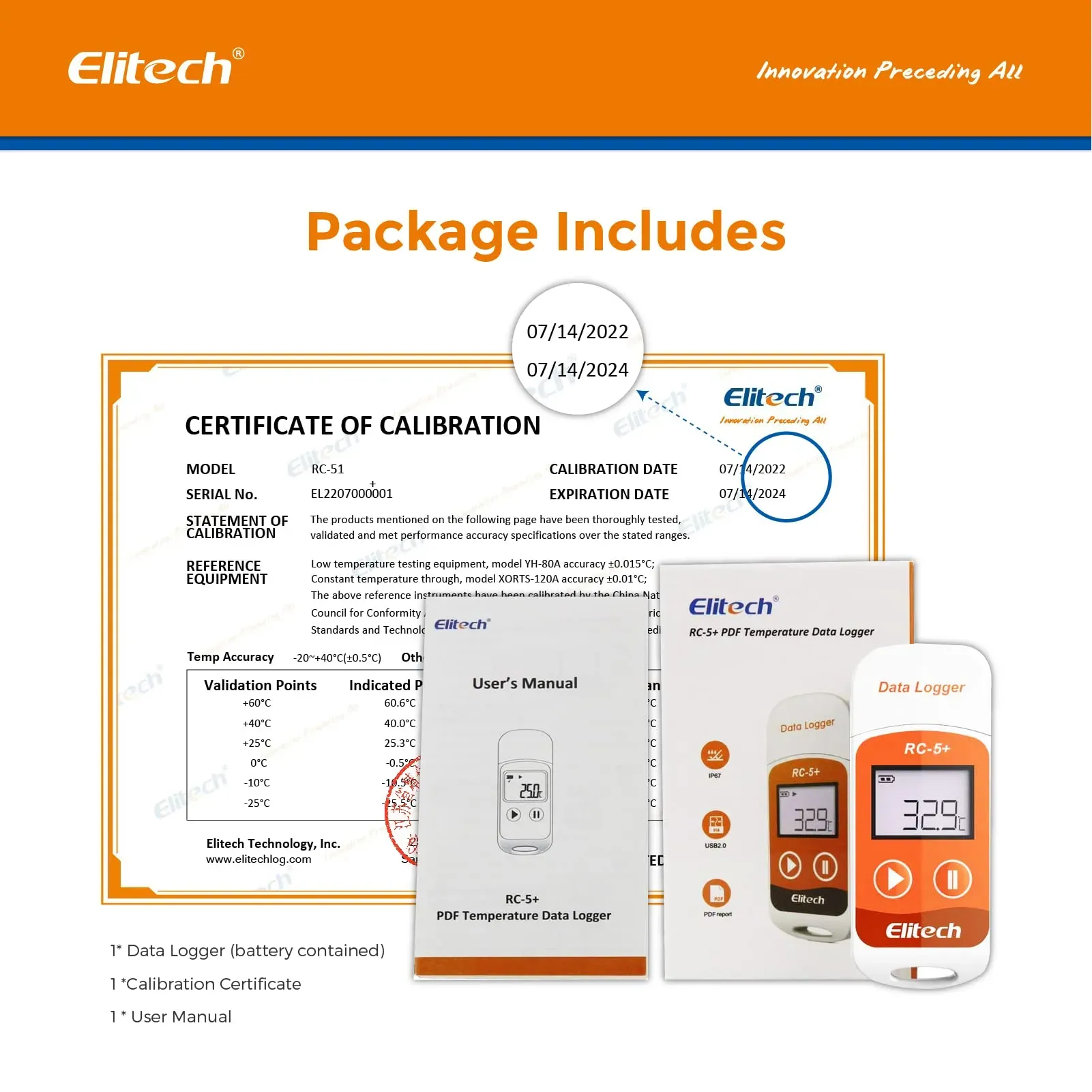
Short answer: to calibrate an in-transit temperature recorder, verify it against a known reference — most simply an ice-point check at 0°C — record the result with date and who did it, and repeat on a defined schedule. This "verification" gives you traceable confidence that the readings you rely on are true.
For anyone working to compliance, calibration is not box-ticking: if a device is not calibrated and a reading is wrong, the liability is yours. A documented check is what protects the decision you made from that data.
What is calibration, and why does a recorder need it?
Calibration compares your recorder against a reference of known accuracy so you can quantify any error. Sensors can drift with time, shock and temperature cycling, so a unit that was accurate out of the box may not stay that way. For temperature-sensitive transport, an unverified recorder undermines the whole record.
The ice-point check, step by step
- Fill an insulated container with crushed ice made from clean water, then add a little cold water to make a slurry.
- Insert the recorder's sensor into the slurry, not touching the sides or bottom, and stir gently.
- Allow it to stabilise, then compare the reading to 0°C. A recorder rated ±0.5°C should read within that tolerance.
- Record the date, the reading and the result, and quarantine the unit if it is out of tolerance.
How often should you calibrate?
Set a schedule proportionate to risk — commonly an annual calibration for QA teams, with a quick ice-point verification before a critical or high-value run. The habit matters because sensors drift silently: you want to catch a wandering reading before it costs a load, not after.
Traceability: making the check count
A calibration is only as useful as its record. Keep a log tying each check to the recorder's serial, the reference used, the result and the operator. For pharma and audited food work this traceable trail is what an inspector expects, and it complements the shipment records the recorder itself produces. EN 12830:2018 sets the performance expectations for these recorders; verifying against a reference is how you keep proving them in service.
Is factory calibration enough?
A factory-calibrated unit accurate to ±0.5°C is a strong starting point, but calibration is a lifecycle activity, not a one-off. Treat the factory figure as your baseline and verify periodically so the record stays defensible over the device's life.
A recorder you can verify with confidence
If your work is audited, start from a factory-calibrated baseline you can verify simply against an ice point. The Elitech RC-5+ USB Temperature Data Logger is sold as a 5-pack for £45.47 with free UK delivery. It is EN12830 certified, accurate to ±0.5°C between -20°C and +40°C (±1.0°C outside that band), stores 32,000 readings, and lets you set a logging interval from 10 seconds to 24 hours. On arrival you plug it into any computer and it generates a PDF and CSV report automatically, with no software to install, and the user-replaceable CR2032 battery lasts around six months. It is CE/RoHS marked and comes with 30-day returns and a 12-month UK warranty.
Start from a calibrated baseline you can verify
View the Elitech 5-pack — £45.47Frequently asked questions
How do I calibrate an in-transit temperature recorder?
Verify it against a known reference. The simplest is an ice-point check: put the sensor in a clean ice-and-water slurry, let it stabilise and confirm it reads 0°C within its rated tolerance (for example ±0.5°C). Record the date, reading, reference and operator, and quarantine any unit out of tolerance.
How often should an in-transit temperature recorder be calibrated?
Set a schedule proportionate to risk. Many QA teams calibrate annually and do a quick ice-point verification before critical or high-value runs, because sensors can drift silently with time, shock and temperature cycling.
Is calibration legally required for a temperature recorder in the UK?
Formal calibration is not universally mandated for every food business, but audited food and pharmaceutical work expects traceable verification, and it underpins your due-diligence records. EN 12830:2018 sets the recorder performance expectations you are verifying against.
Is factory calibration enough on its own?
It is a strong baseline but not a permanent guarantee. Treat the factory ±0.5°C figure as your starting point and verify periodically against a reference so the readings stay defensible throughout the device's life.
Deploy calibrated loggers with confidence
±0.5°C accuracy (-20°C to +40°C) · EN12830 certified · PDF/CSV auto-export
Shop Elitech USB 5-Pack — £45.47