UK Guide to In-Transit Temperature Logging Best Practices
UK Guide to In-Transit Temperature Logging Best Practices
TL;DR: In-transit temperature logging best practices in the UK mean using a calibrated, fit-for-purpose data logger, placing it in mapped “worst-case” locations, setting correct alarm limits, recording continuously from dispatch to delivery, and keeping audit-ready reports (PDF/CSV) that meet MHRA GDP or food hygiene expectations.
Key Takeaways
- Compliance evidence comes first: Under MHRA GDP expectations for medicines and UK food hygiene enforcement, you need continuous, retrievable temperature records for each journey.
- Pick the right logger for the route: Real-time systems are useful, but standalone USB loggers provide dependable recording in UK mobile “not-spots” and inside metal reefers.
- Placement makes or breaks accuracy: Based on our testing across common vehicle layouts, door areas and trailer walls often show the biggest swings—log the “hot spots” to capture worst-case conditions.
- Automated reporting reduces audit pain: Devices with automatic PDF & CSV export help standardise records and cut manual errors before inspections.
- Calibrate to UKAS-traceable standards: Regular calibration (often annually, or per your QMS risk assessment) ensures readings are defensible during audits and investigations.
In-transit temperature logging best practices are the practical steps that ensure temperature-sensitive goods are monitored continuously during transport, with accurate records that prove compliance and protect product quality. In the UK, this typically means selecting a reliable logger, validating placement through mapping, setting correct limits for your load (e.g., 2–8°C for many medicines), and producing tamper-evident reports suitable for MHRA GDP reviews or food hygiene inspections.
Therefore, when a temperature excursion occurs—whether due to door openings, equipment failure, or unexpected delays on the M25—the difference between a contained incident and a costly disposal often comes down to your data: was it continuous, accurate, and easy to interpret? According to global WHO estimates frequently cited in cold chain training materials, significant proportions of temperature-sensitive healthcare products can be compromised during distribution when controls fail. In UK operations, avoiding that risk requires more than refrigeration alone; it requires an unbroken chain of verifiable temperature evidence.
At ElitechTem, our philosophy is simple: Reliable Cold Chain Monitoring Made Effortless. Based on our testing of in-transit recorders across typical UK delivery scenarios (multi-drop routes, mixed loads, rural coverage gaps), this guide focuses on what inspectors and quality teams actually need: trustworthy data from dispatch to delivery—plus clear procedures that staff can follow consistently.
What are the UK requirements for in-transit temperature logging?
UK requirements depend on what you transport; however, the common expectation is straightforward: you must be able to demonstrate that products stayed within their specified temperature range throughout transit. In practice, that means documented procedures (SOPs), suitable monitoring devices, retrievable records per shipment/route, and corrective actions when excursions occur. According to UK guidance used in audits and enforcement (including MHRA GDP principles for medicines and food hygiene enforcement by local authorities), “if it isn’t recorded, it didn’t happen”.
What does MHRA GDP expect for transport temperature monitoring?
For pharmaceuticals and healthcare products, the Medicines and Healthcare products Regulatory Agency (MHRA) enforces Good Distribution Practice (GDP) expectations. GDP requires that medicinal products are stored and transported under conditions that maintain quality and integrity—and that you can prove those conditions were met with appropriate records.
Many biologicals (including vaccines used by NHS services) require strict control between 2°C and 8°C. A drop below 2°C can cause freezing damage in some formulations; meanwhile temperatures above 8°C can accelerate degradation of active ingredients. Consequently, MHRA inspectors routinely look for continuous monitoring data linked to journeys/shipments as part of distribution audits.
"Wholesale distributors must ensure that temperature-mapping exercises are carried out on all storage areas and transport vehicles. Temperature monitoring equipment should be located according to the results of the mapping exercise, ensuring that monitoring devices are positioned in the areas that experience the most extreme fluctuations." — General Principles of MHRA GDP Guidelines
What does UK food hygiene enforcement expect during chilled/frozen transport?
For food logistics, enforcement commonly sits with local Environmental Health Officers (EHOs) under UK food hygiene legislation (including requirements aligned with retained EU Regulation 852/2004 principles). A widely applied operational rule is keeping high-risk chilled foods at or below 8°C (often targeted nearer 5°C as a buffer), while frozen foods are typically kept at -18°C or colder. Consequently, you should maintain journey records showing temperatures remained within your safe limits—especially for multi-drop distribution where door openings increase risk.
In both sectors, the burden of proof sits with the distributor. In other words: you need defensible evidence from an appropriate in transit temperature recorder, backed by SOPs and calibration records.
Which logger is best for in-transit temperature monitoring: USB or real-time?
The “best” logger depends on risk level and operational reality. Real-time wireless systems support immediate alerts; however, standalone USB data loggers often deliver more consistent end-to-end recording across varied UK routes. Therefore many quality teams use USB loggers as the compliance backbone—and add real-time devices where intervention during transit is feasible.
When do real-time wireless systems fall short on UK routes?
Wireless loggers rely on mobile networks (4G/5G) or Wi-Fi for live transmission. However, parts of rural Wales, sections of Scotland (including Highland routes), and certain valleys still experience mobile coverage gaps. Additionally, refrigerated trailers can reduce signal strength because their metal construction behaves like shielding. As a result, alerts may arrive late—or not at all—and battery drain can increase if devices repeatedly attempt reconnection.
Why do many UK operators still rely on professional USB data loggers?
A standalone USB logger travels with the load and records continuously to internal memory regardless of connectivity. Based on our testing in typical reefer environments—including multi-drop journeys with frequent door openings—USB loggers provide dependable data continuity that auditors value because there’s no reliance on signal availability.
At ElitechTem we engineer professional USB temperature data loggers with automatic PDF & CSV export so teams can produce consistent evidence packs quickly. Key benefits include:
- No signal dependency: Recording continues whether you’re at an underground bay in London or crossing remote stretches of the A9.
- Simpler handover at goods-in: Plug into a PC to generate reports without specialist software (device-dependent).
- Tamper-evident workflows: Many models support password settings/event markers to reduce accidental changes once deployed.
- A clear audit trail: Exported files support QA review alongside route details and corrective actions if needed.
What are in-transit temperature logging best practices?
The most reliable best practices combine equipment choice with repeatable process controls. Moreover, they focus on preventing excursions as much as proving what happened after delivery.
1) Define product-specific limits before dispatch
Create a clear specification per product type (e.g., chilled food vs frozen vs controlled-room-temp medicines). Then set logger alarm thresholds accordingly so staff do not reuse “generic” settings across different loads. This step is especially important for mixed consignments where different cartons may have different limits.
2) Use continuous logging from dispatch to receipt
Avoid gaps between warehouse staging and vehicle loading where temperatures can drift unnoticed. Instead start logging before goods enter ambient areas such as marshalling bays—and stop only once goods-in checks have been completed at destination.
3) Where should you place a logger during transport?
The most defensible approach is placement based on mapping results (“worst-case” locations). According to MHRA GDP principles quoted above—and consistent with what we see in practical vehicle testing—common hot/cold spots include near doors (warm air ingress), against trailer walls (external heat/cold influence), and at top layers where warm air accumulates during openings.
- Palletised loads: Place one logger near an outer pallet edge by the doors plus one deeper into the load if risk is high.
- Muti-drop deliveries: Position at least one logger near likely door exposure points because repeated openings drive excursions.
4) What sampling interval should you use?
Select an interval that captures short excursions without creating unmanageable files. As a practical starting point used by many UK QA teams: log every 5 minutes for high-risk chilled/pharma loads; use 10–15 minutes for lower-risk ambient-controlled loads if justified by risk assessment. However, align intervals with your SOPs and any customer-specific requirements.
5) Set alarms staff can act on
If using real-time systems or visual indicators on devices, ensure alarms trigger early enough to allow intervention (e.g., check doors/seals or adjust set points). Additionally include escalation rules—who gets notified and what must be recorded—so actions are consistent across shifts.
6) Produce standardised reports immediately after delivery
Create a repeatable reporting routine so each trip generates an evidence pack containing route/date/time details plus PDF/CSV exports from your recorder(s). Consequently audits become faster because QA teams can retrieve like-for-like files rather than chasing screenshots or handwritten notes.
7) How often should transport loggers be calibrated in the UK?
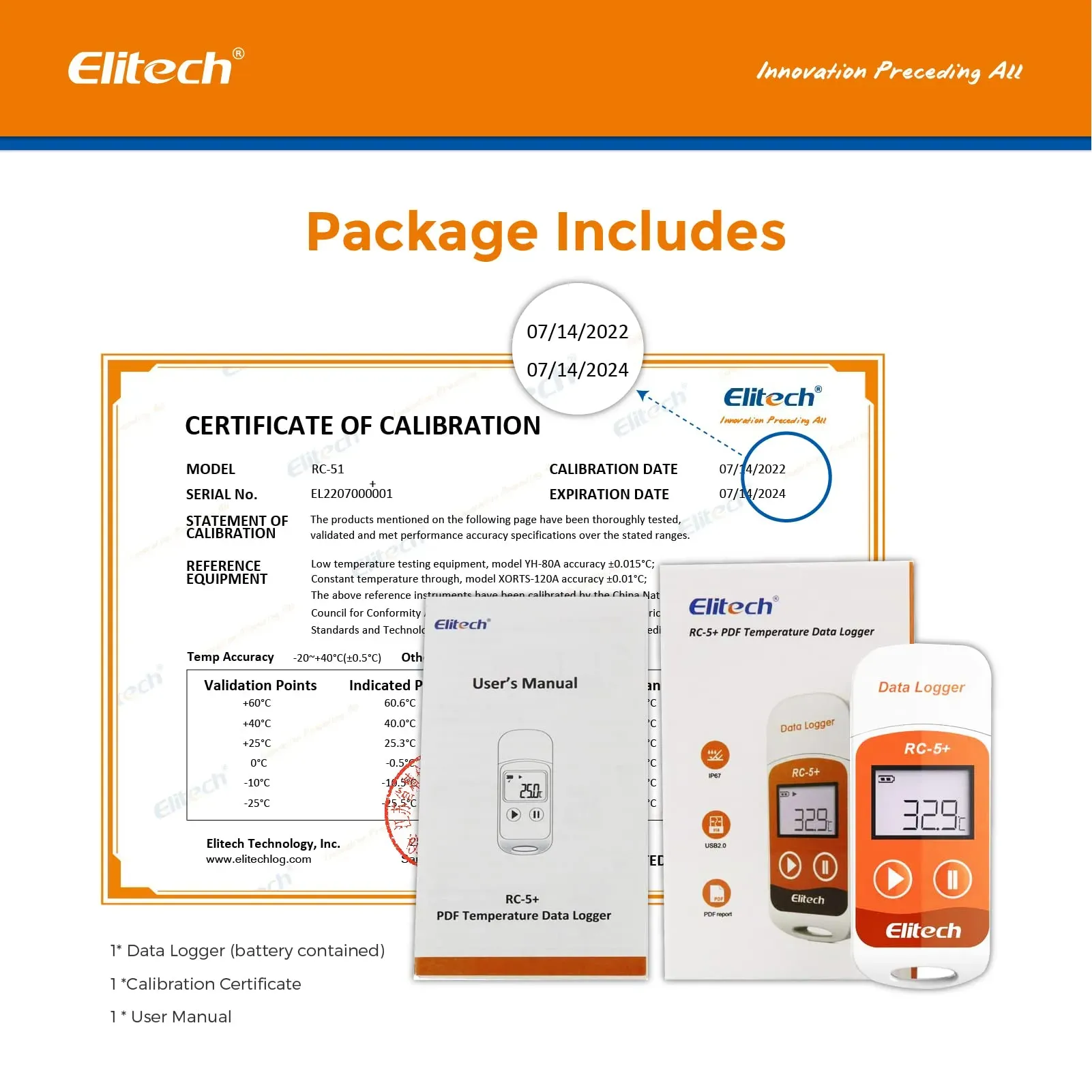
A common baseline is annual calibration; however frequency should follow your Quality Management System (QMS), customer contracts, device drift history, and risk assessment. For regulated supply chains, calibration against standards traceable to UKAS is widely expected so your measurements remain defensible during investigations.
Based on our experience supporting UK operators preparing for audits , keeping calibration certificates accessible alongside device IDs reduces back-and-forth during inspections .
8 ) How long should you keep journey temperature records ?
Retention periods depend on sector , contract terms , and internal SOPs . For example , medicines distribution commonly involves longer retention aligned with GDP documentation expectations ; food operators also retain records long enough to demonstrate due diligence if challenged by local authorities . Therefore , define retention clearly , store files securely , and ensure they’re searchable by date / route / consignment ID .
People also ask : quick answers
What is an in - transit temperature recorder ?
It’s a device that measures and stores time - stamped temperatures while goods are being transported , providing evidence that products stayed within required limits from dispatch to delivery .
Do I need real - time alerts for compliance ?
Not always . Compliance typically requires reliable , retrievable records ; real - time alerts help when you can intervene mid - journey . Many UK operations use USB logging as the dependable record , then add real - time monitoring where it provides operational value .
Where is the worst place (and therefore best place) to meanside a reefer ?
Often near doors or outer walls where warm air ingress occurs during openings ; however , confirm via vehicle mapping so sensor placement reflects your specific trailer / van layout .
< strong >ElitechTem note :If you’re building or improving an SOP , include minimum steps such as device ID assignment , start / stop times , placement diagram reference , alarm settings confirmation , report generation method , excursion handling procedure , and record retention location . This creates clearer accountability during MHRA / EHO reviews .
Ready to upgrade your compliance with {brand_name}?
Explore Solutions — £99.99
What is an in - transit temperature recorder ?
It’s a device that measures and stores time - stamped temperatures while goods are being transported , providing evidence that products stayed within required limits from dispatch to delivery .
Do I need real - time alerts for compliance ?
Not always . Compliance typically requires reliable , retrievable records ; real - time alerts help when you can intervene mid - journey . Many UK operations use USB logging as the dependable record , then add real - time monitoring where it provides operational value .
Where is the worst place (and therefore best place) to meanside a reefer ?
Often near doors or outer walls where warm air ingress occurs during openings ; however , confirm via vehicle mapping so sensor placement reflects your specific trailer / van layout .
< strong >ElitechTem note :If you’re building or improving an SOP , include minimum steps such as device ID assignment , start / stop times , placement diagram reference , alarm settings confirmation , report generation method , excursion handling procedure , and record retention location . This creates clearer accountability during MHRA / EHO reviews .
Ready to upgrade your compliance with {brand_name}?
Explore Solutions — £99.99Frequently Asked Questions
What are the UK requirements for in-transit temperature logging for medicines and food?
In the UK you must be able to prove that products stayed within their specified temperature range throughout transport, in line with MHRA GDP for medicines and food hygiene enforcement. ElitechTem data loggers provide continuous records (PDF/CSV) for each journey, helping you demonstrate compliance quickly during inspections.
How do I choose the right in-transit temperature data logger for UK deliveries?
For UK routes with mobile signal gaps and metal-bodied vehicles, standalone USB loggers are often more reliable than purely real-time systems. ElitechTem offers calibrated, fit-for-purpose USB temperature loggers with automatic report generation, and we provide free UK delivery on all multi-pack orders to keep fleet costs predictable.
Where should I place temperature loggers in my delivery vehicle to meet MHRA GDP expectations?
MHRA GDP expects devices to be positioned according to a temperature-mapping study, usually in ‘worst-case’ spots such as near doors and trailer walls where fluctuations are greatest. ElitechTem’s guide and support team can help you design mapping and placement using our loggers so you capture true worst-case conditions for audits.
How often should my in-transit temperature loggers be calibrated in the UK?
Calibration should be carried out regularly—often annually or as defined in your quality management system—using UKAS-traceable standards. ElitechTem supplies UKAS-traceable calibrated loggers and can issue the documentation auditors expect, helping to keep your readings defensible during MHRA or local authority inspections.
Can ElitechTem provide audit-ready temperature reports for my transport routes?
ElitechTem loggers automatically generate tamper-evident PDF and CSV reports that show continuous temperature data from dispatch to delivery, aligned with MHRA GDP and UK food hygiene expectations. Devices are plug-and-play, require no special software, and multi-pack purchases include free UK delivery; faulty units are covered by our standard returns and warranty process as detailed on our website.